
[Event Report] NRF Retail’s Big Show APAC 2024 Participation and Exhibition Report
NRF Retail's Big Show, the first of its kind in Asia, was held in Singapore from June 11 to June 13, 2024. Lazuli, which exhibited at a booth on site, recaps the sessions at NRF APAC, its booth presence, and the retail landscape in Singapore.
NRF APAC had over 8,000 pre-registrations, including 400 participants from Japan, and in this article we explain, from Lazuli’s perspective, the sessions held on site, the booth exhibition situation, and Singapore’s retail landscape.
NRF Retail’s Big Show APAC 2024 Report
The world’s largest NRF Retail’s Big Show is held annually in the United States, and this year marked the first APAC edition. With 8,000 pre-registrations, including 400 from Japan, it was likely an event with a particularly high number of Japanese attendees compared with the U.S.-held event.
In this report, we cover NRF Retail’s Big Show APAC from three perspectives: sessions, events hosted by Lazuli, and our exhibit in the startup zone.
Official Conference
Over the three days, around 70 sessions and events were held at this conference, making it a valuable venue where we could hear not only from global companies but also about noteworthy initiatives from Japanese companies.
Here, we introduce some of the most notable sessions.
1. UNIQLO
Fast Retailing Global CIO Mr. Tanbara explained UNIQLO’s efforts as a “digital consumer retailer” and how the company is using DX as a means to transform into a customer-centric business.
At UNIQLO, customer feedback from its various in-house channels is treated as important information and used to improve products and the supply chain.
There was also mention of the use of RFID and AI, and the session introduced UNIQLO’s approach to data utilization, in which the entire process is considered as a connected whole.
2. Domino’s Pizza
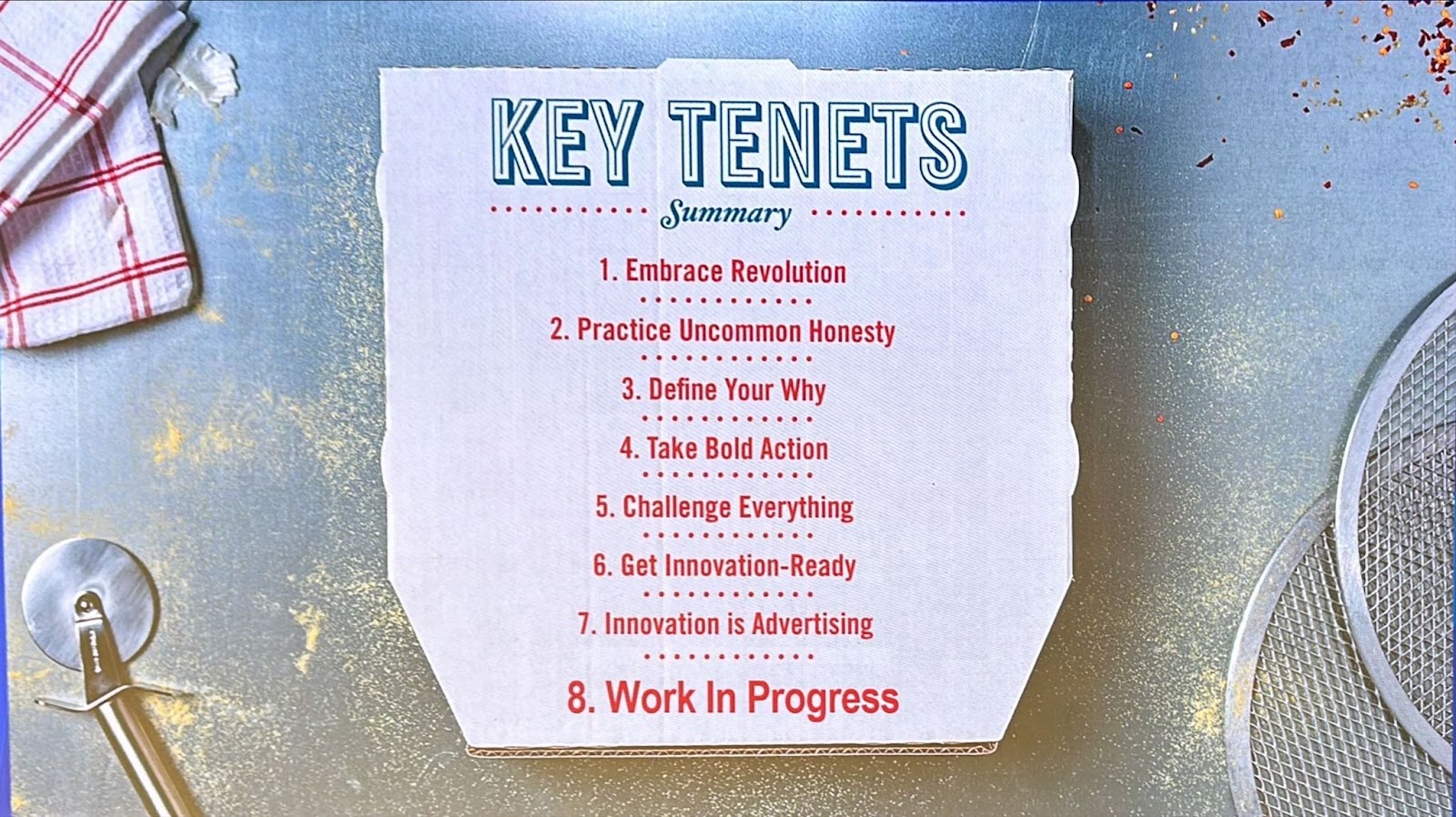
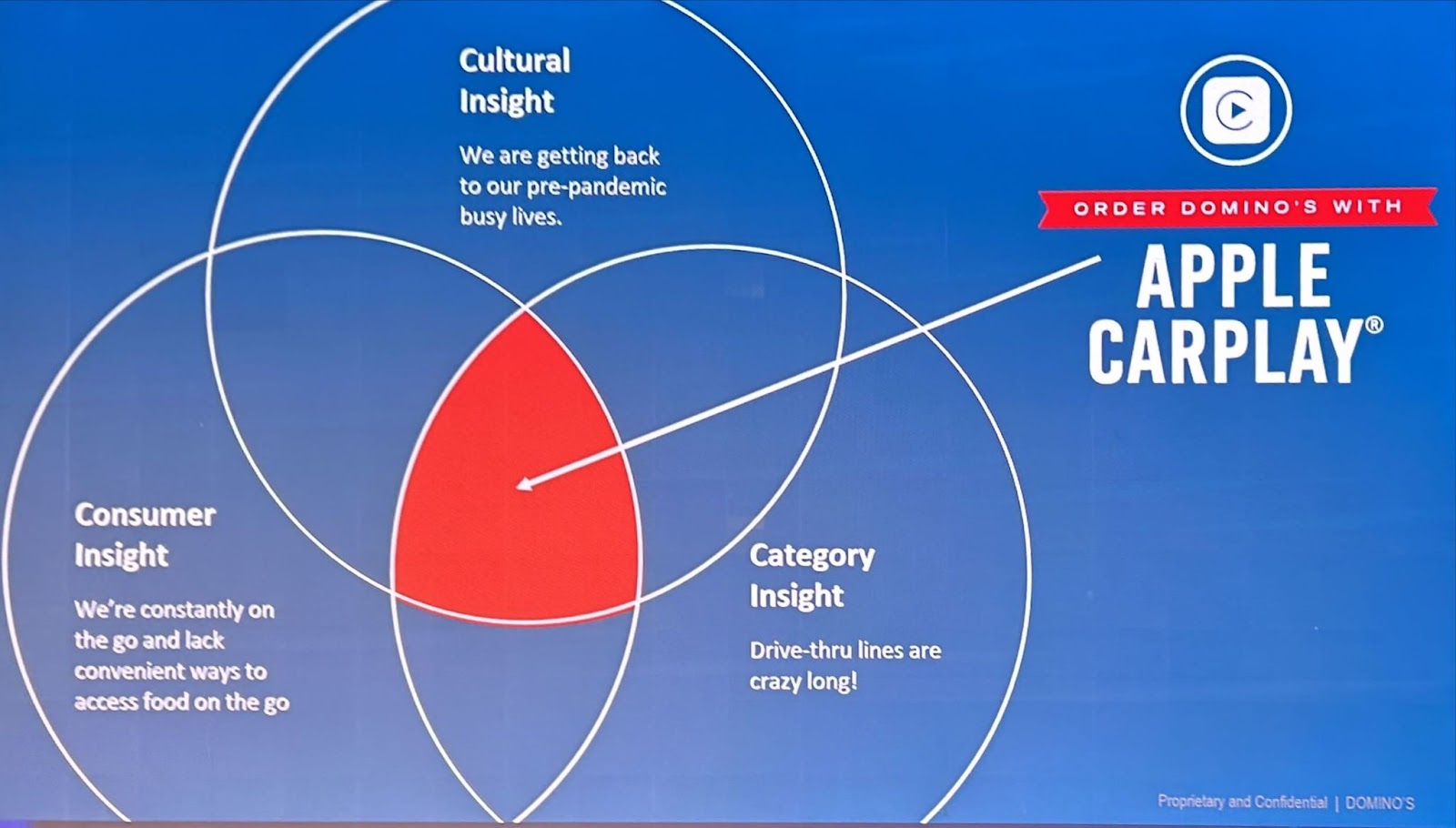
Domino’s Pizza LLC CDO Christopher Thomas-Moore spoke about Domino’s business and digital transformation.
Domino’s, known for its repeated unique innovations, also spoke about the seven principles that are key to innovation. This session also introduced various Domino’s ads based on those seven principles, such as Pinpoint Delivery and Emergency Pizza.
At Domino’s, where over 80% of U.S. sales come from digital channel orders, the company is pushing further digitization for personalization.
3. LVMH
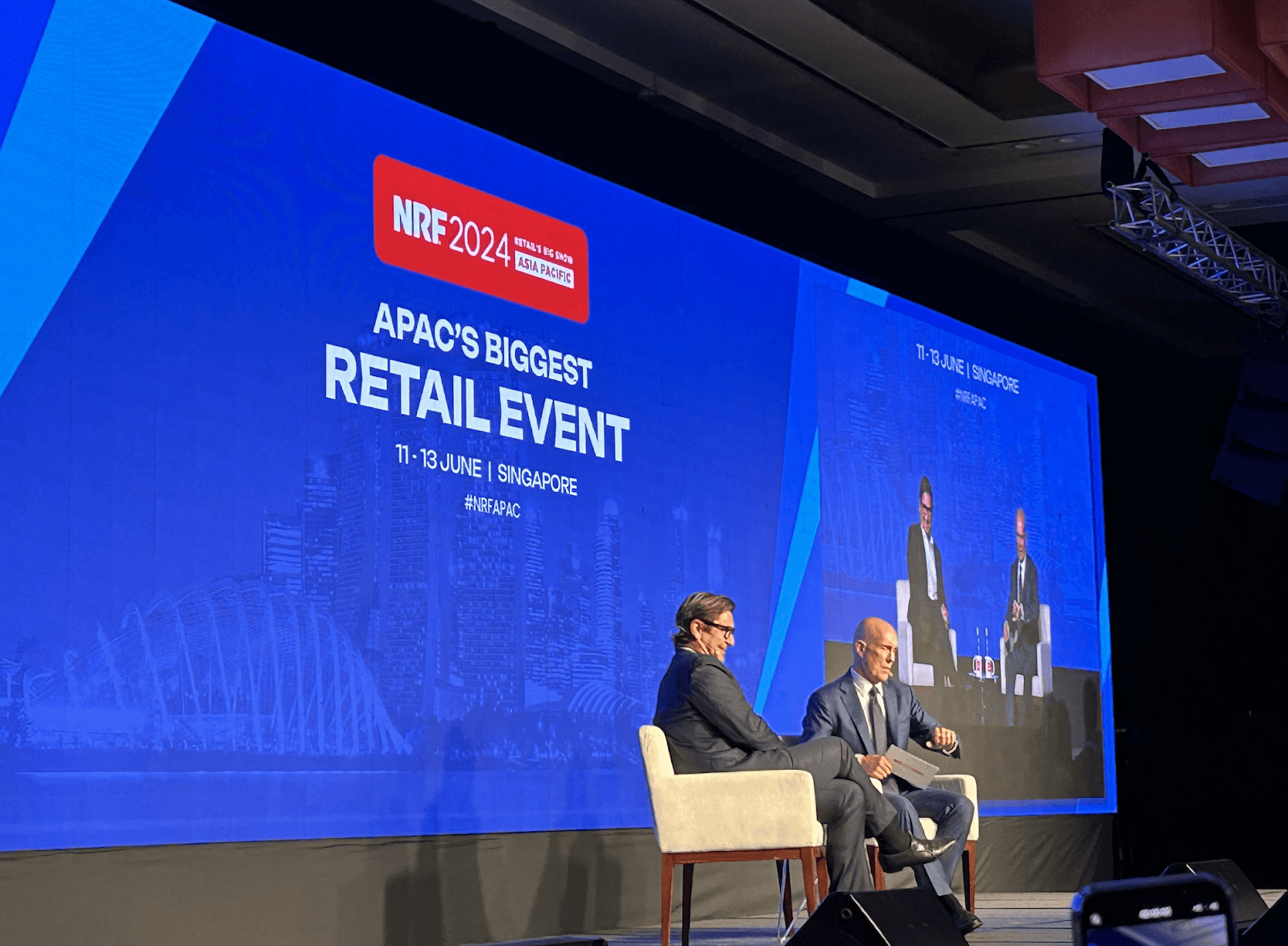
Under the theme “Uncorking luxury retail experiences,” Laurent Boidevezi, President Asia Pacific at Moët Hennessy, spoke about Moët Hennessy’s retail strategy vision.
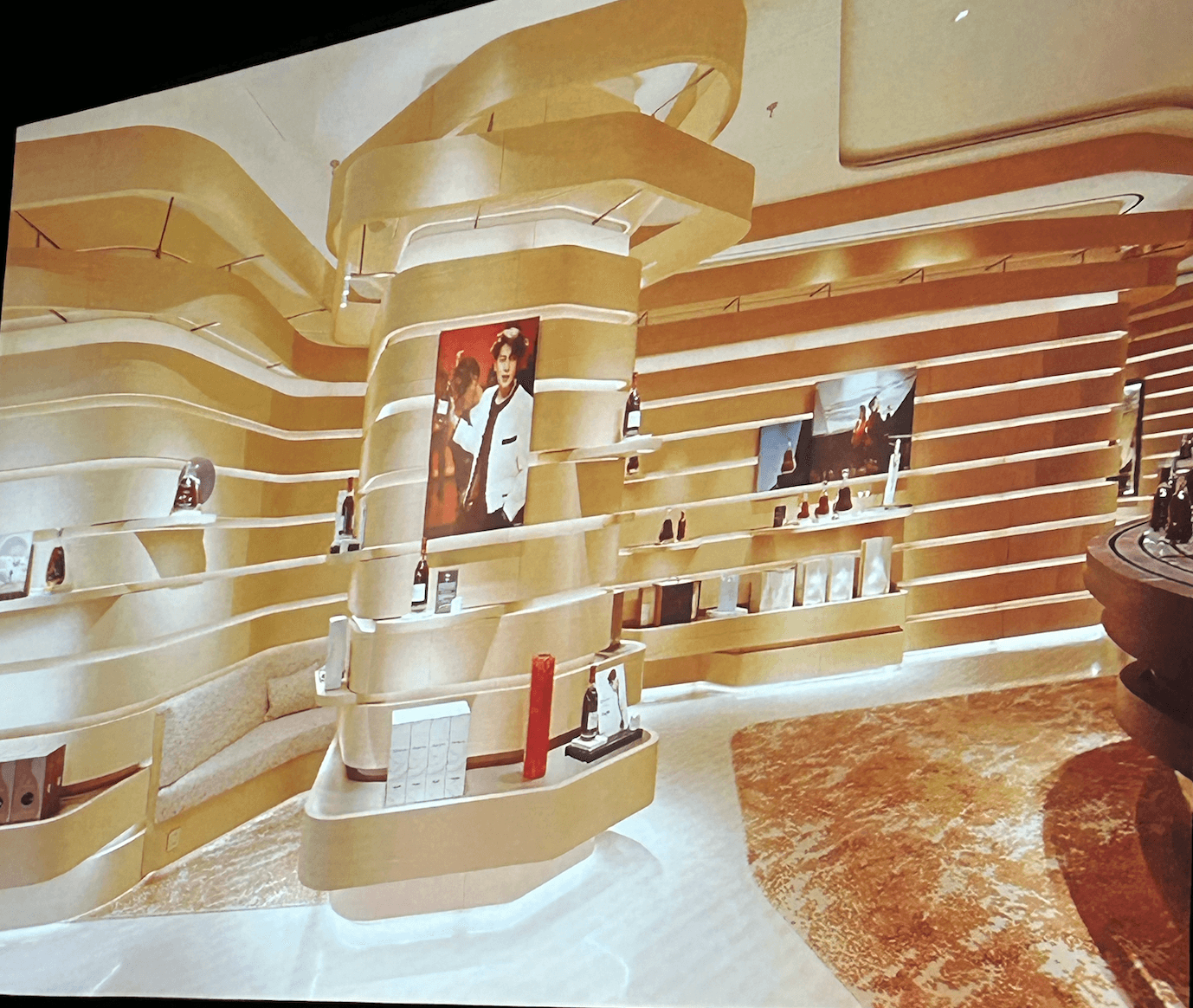
LVMH is also known as a family-run business, and it maintains a consistent brand philosophy while always focusing on customer communication centered on “experience.”
To create experiences that feel “special,” the company offers personalized services such as store design and bottle engraving. It was a session that conveyed the world of LVMH very well through extensive use of video.
4. Ocado + Lotte
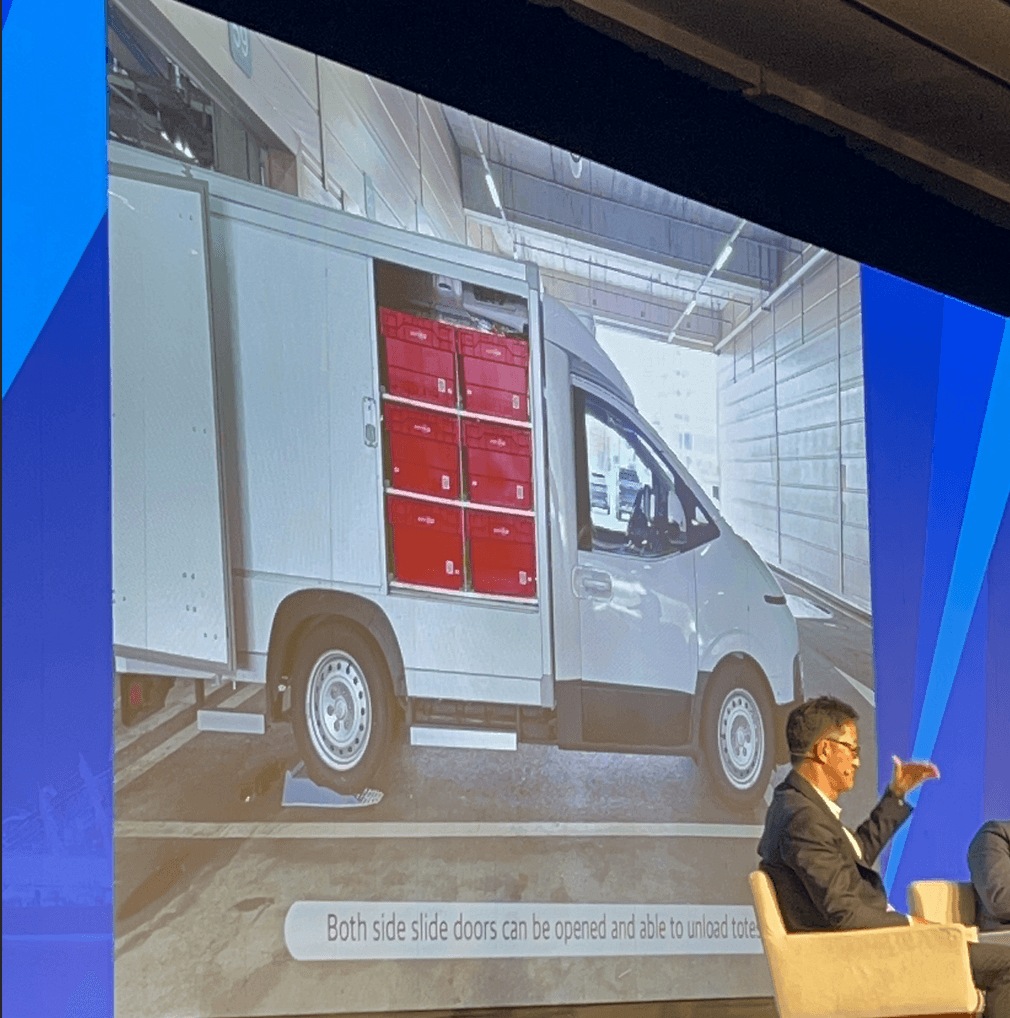
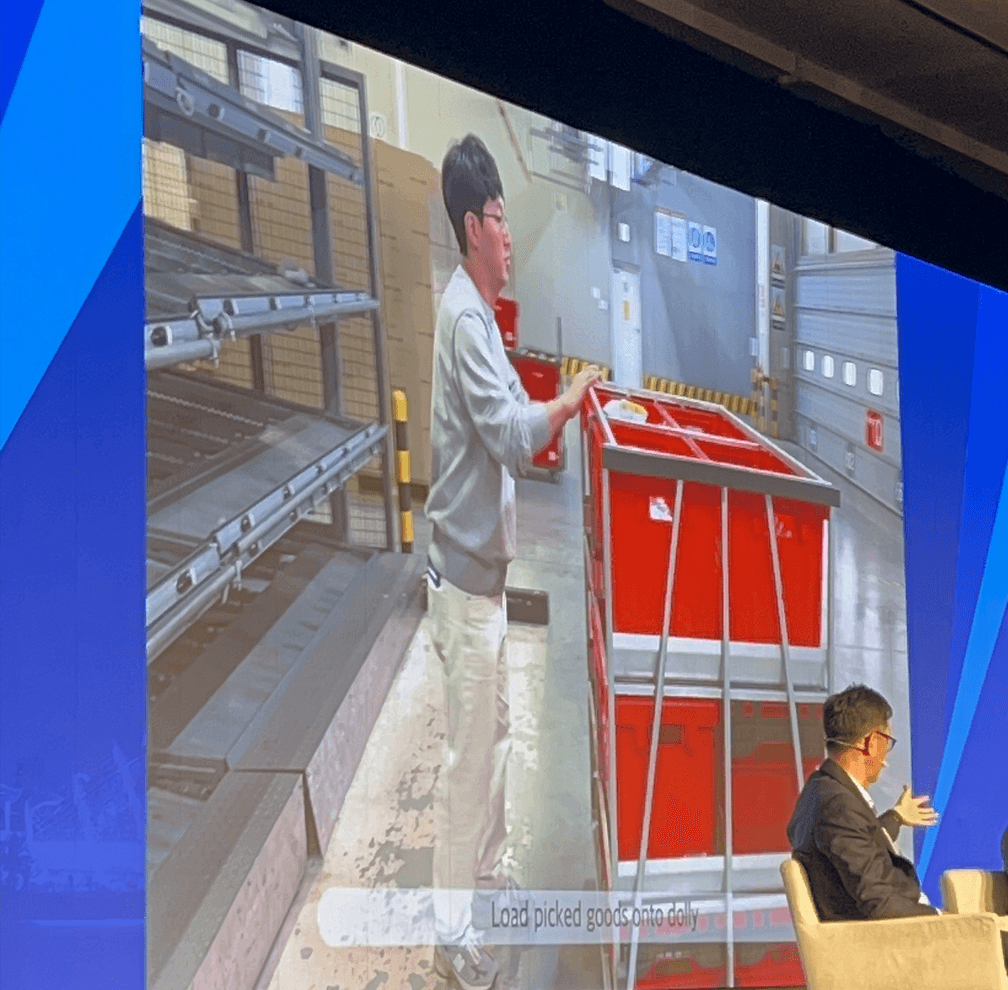
Korea’s grocery market has an online share of 25%, making it one of the world’s most advanced online markets. Lotte, Korea’s leading retailer, continues to refine its online grocery business to balance competitiveness and profitability. The key points emphasized were integrating offline and online operations to reduce costs and improve profitability, and building warehouse and delivery systems for a highly profitable recurring delivery model.
Because delivery speed and convenience attract customers, they are localizing grocery delivery vehicles and software solutions to improve the customer experience. For example, one localization effort involves redesigning low-ceiling delivery vehicles for Korea’s low-ceiling parking garages.
5. Li & Fung
Li & Fung (利豊), one of Hong Kong’s largest trading companies, handles consumer product exports such as apparel, fashion accessories, toys, games, sporting goods, furniture, handicrafts, shoes, travel goods, and tableware, and is well known in Europe, the U.S., and Japan as well.
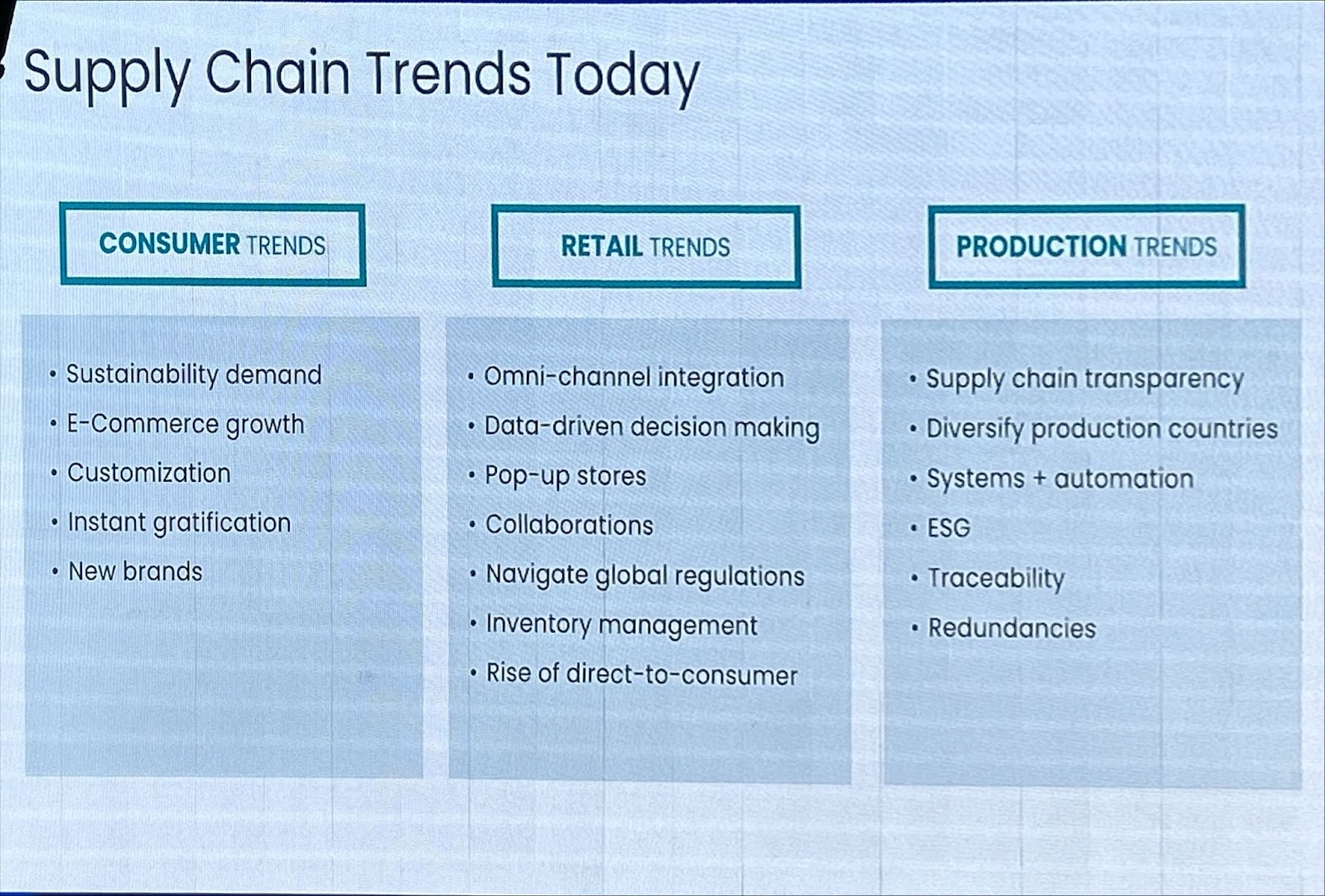
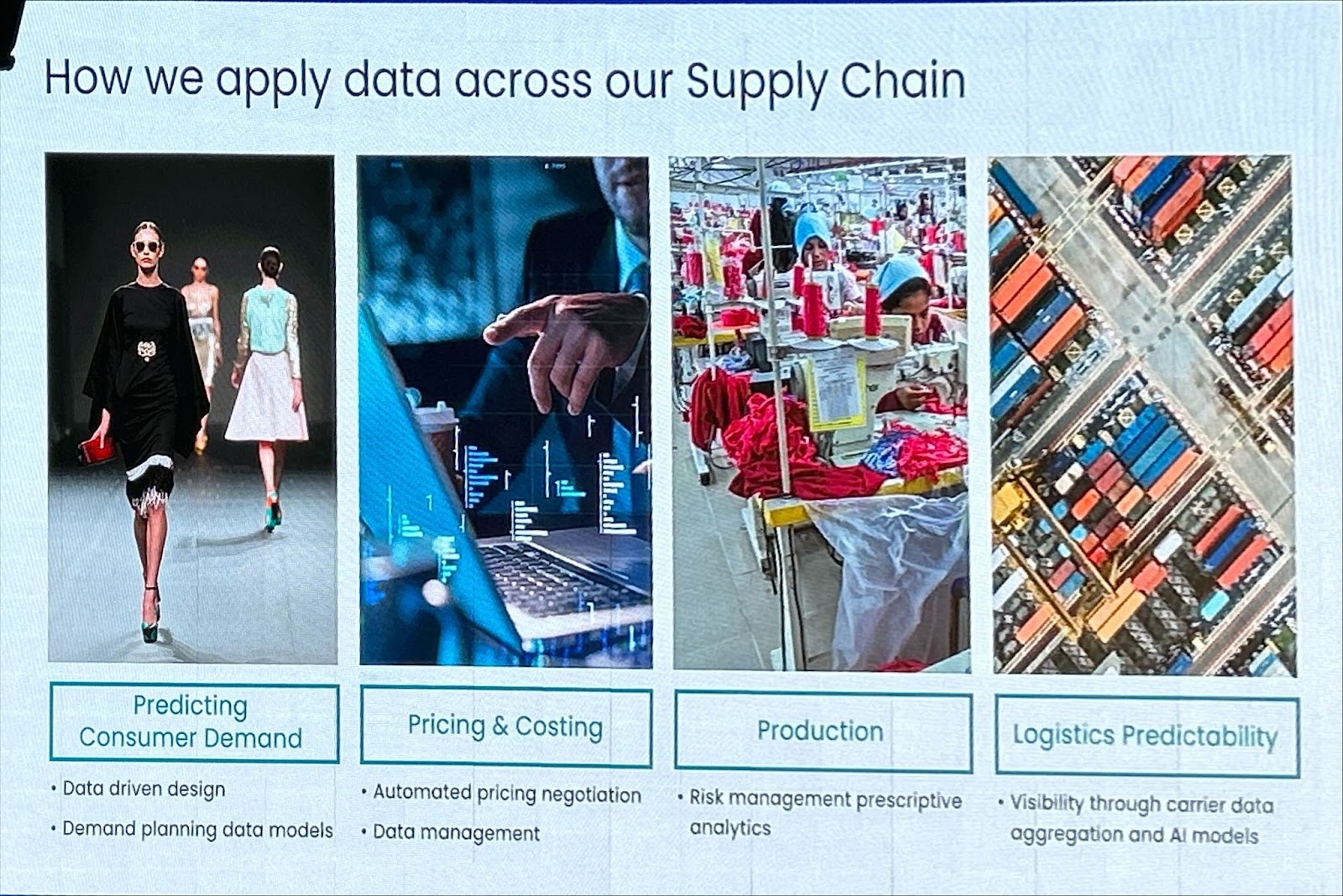
Li & Fung continues to use data and technology to forecast consumer demand and secure a high-profit supply chain in response to global economic fluctuations, geopolitical risks, and rapidly changing consumer markets.
Specifically, the company uses data and AI to advance fashion design, forecast consumer demand, reduce supply chain risk, and improve logistics predictability. It also uses data from social media, web searches, and retail websites to forecast consumer demand and design products in real time, as well as analyze department store assortments to identify trends and inventory gaps.
It explains that risk mitigation in supply chain management requires managing information from various sources, including control towers, to reduce concentration risk and hidden costs.
6. Wesfarmers
Wesfarmers, a major Australian retail conglomerate, is focusing on digital growth.
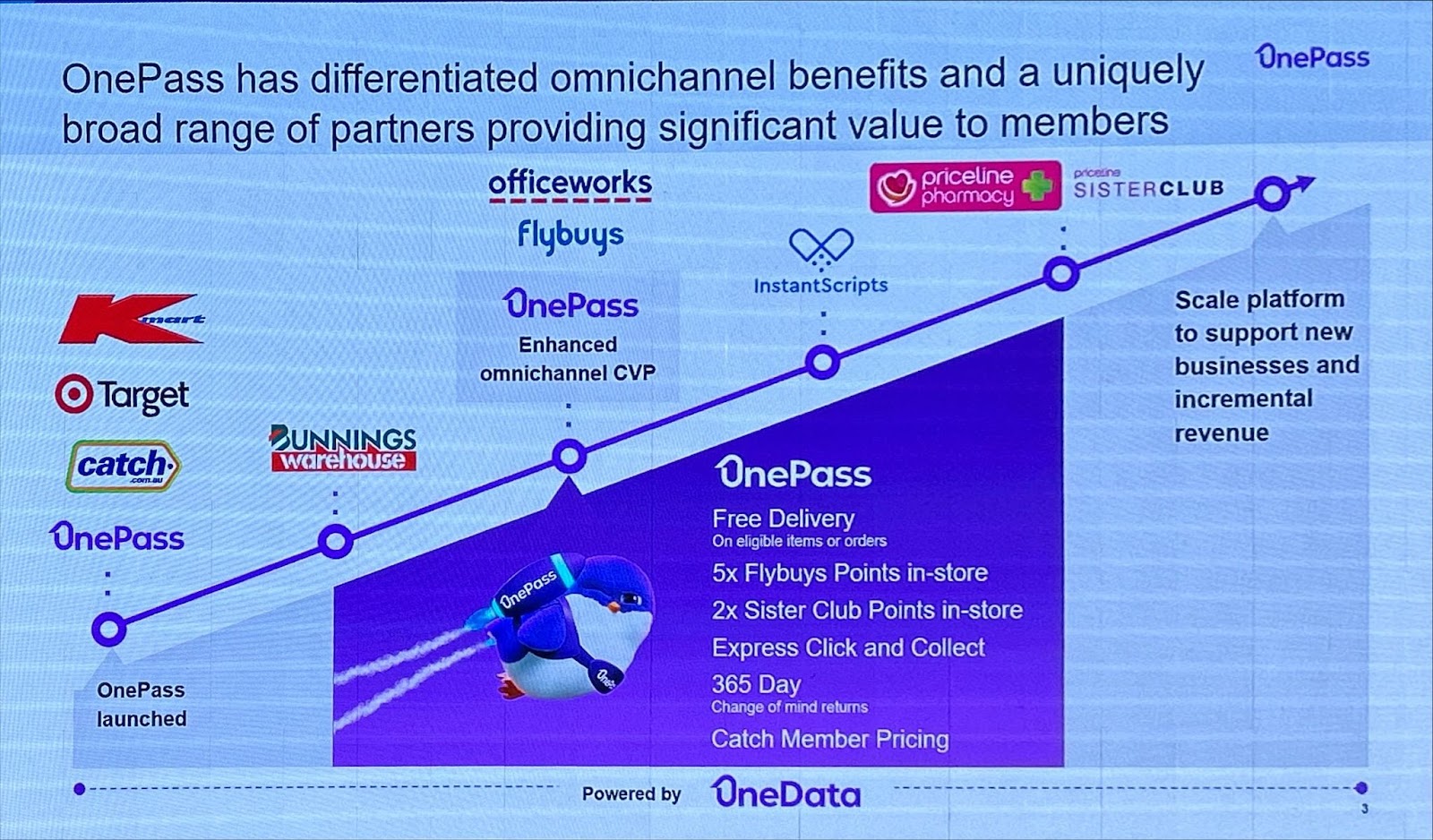
In particular, its loyalty program “OnePass,” which offers free delivery, loyalty points, and 365-day returns, has accelerated the collection and use of customer data.
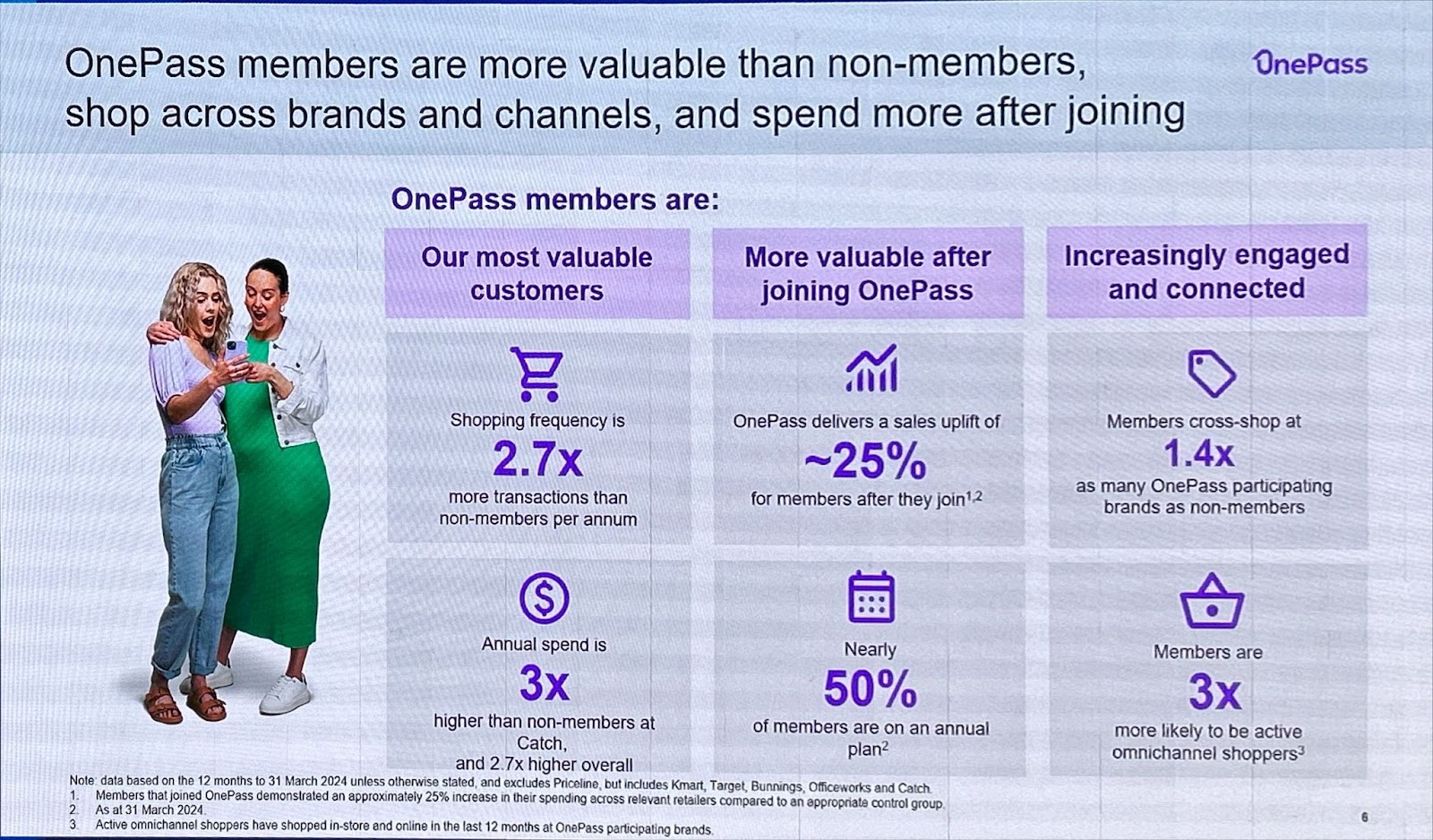
By leveraging data and AI, the company has achieved many results, such as shopping frequency being 2.7 times higher than that of non-members and purchase amounts increasing by 25% after sign-up, while also enhancing engagement through personalized marketing and loyalty programs.
At the same time, it continues to build data assets across each brand and is creating new business opportunities in retail media by using customer data.
Expo Booth
This time, our company exhibited in the startup zone. Because it was located toward the back of the venue, foot traffic was not heavy, but it became a valuable opportunity to display our product. Since the concept of PDP (Product Data Platform) is not yet widely known, it is a product with a somewhat high barrier to understanding, but because concepts such as PIM and PLM are recognized overseas, we were able to explain it smoothly when asked what kind of product it is.
Also, because the booth package included a conference pass and exhibitor pass, we felt it was very cost-effective.
Depending on your objective, if you want a booth to connect with Japanese attendees on site, we recommend exhibiting in an area where Japanese companies are gathered more broadly. If you want a booth to connect with international attendees, we recommend exhibiting in a position visible from the venue entrance.
It also seems next year’s event is already confirmed, so if there are companies considering exhibiting, it may be a good idea to apply as early as possible.
Events Hosted During the Conference
During the NRF APAC conference period, we hosted not only a booth but also the following two events.
A discussion on Singapore’s local retail landscape
Recap sessions for Day 1 and Day 2
Discussion on Singapore’s Local Retail Landscape
We held an invitation-only event where Japanese companies attending NRF APAC shared insights based on store visits in Singapore. A summary of those insights is provided below.
The following three characteristics of Singapore stood out, and we particularly felt the differences between areas by income level.
Dining-out culture
Limited leisure due to the small land area
Income disparity
In Singapore, shopping malls and dining-out culture are very well developed, but we were especially surprised by the number of Japanese brands.
DON DON DONKI, 7-Eleven, HANDS (Tokyu Hands), UNIQLO, Nojima, Nitori, Saizeriya, and Hoshino Coffee were widely present throughout Singapore.
Below is a brief introduction to DON DON DONKI and FairPrice, which we visited this time.
<DON DON DONKI>
In Japan, Don Quijote is strongly associated with a cluttered product layout, but in Singapore, unlike its store format in Japan, DON DON DONKI has the following major characteristics.
Well-developed eat-in spaces and food courts where customers can eat the food they just bought right away
Rich assortment by category, including fresh foods and deli items, with easy-to-read displays
Products are not localized; in principle, items with Japanese labeling are sold
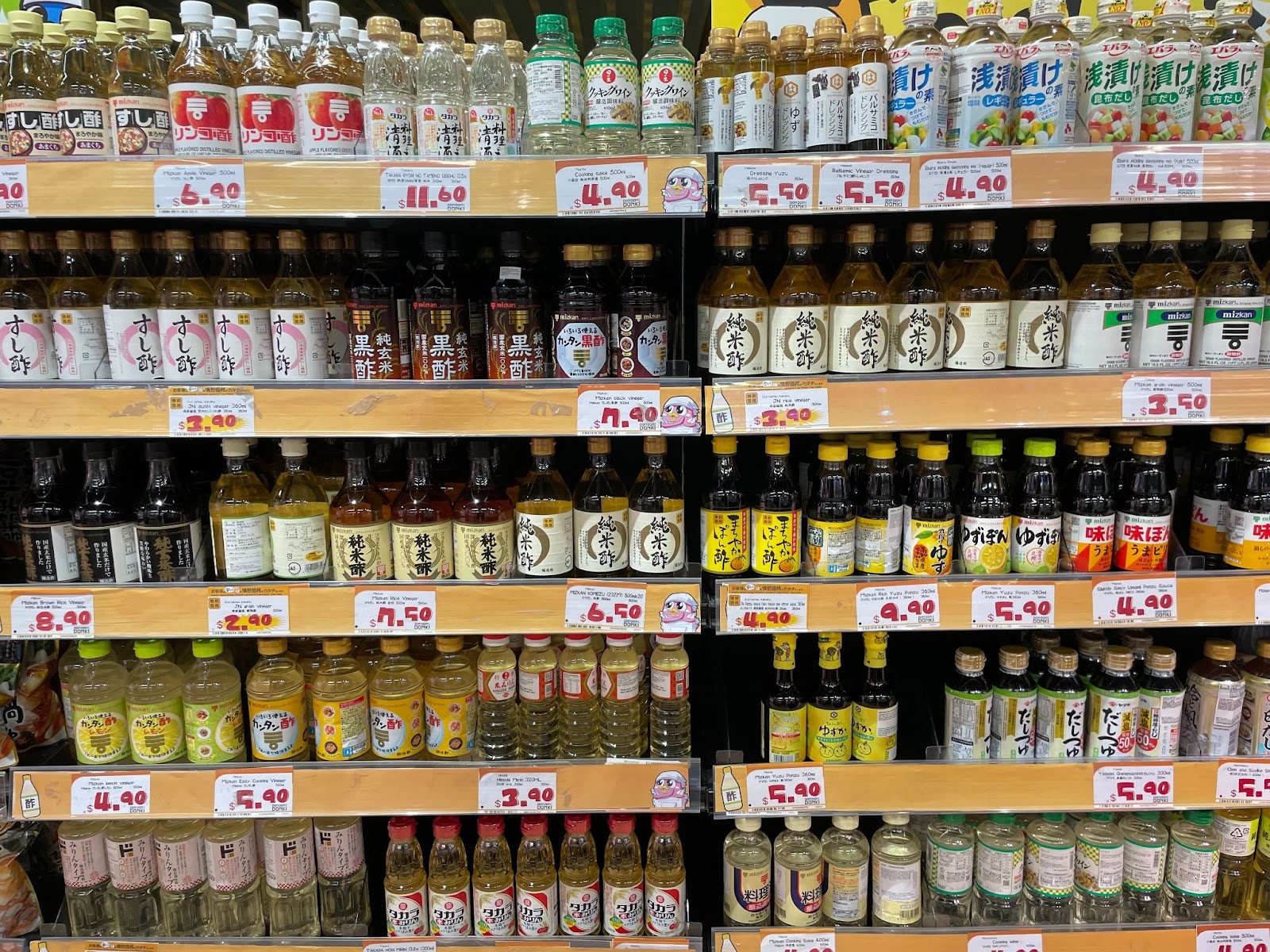
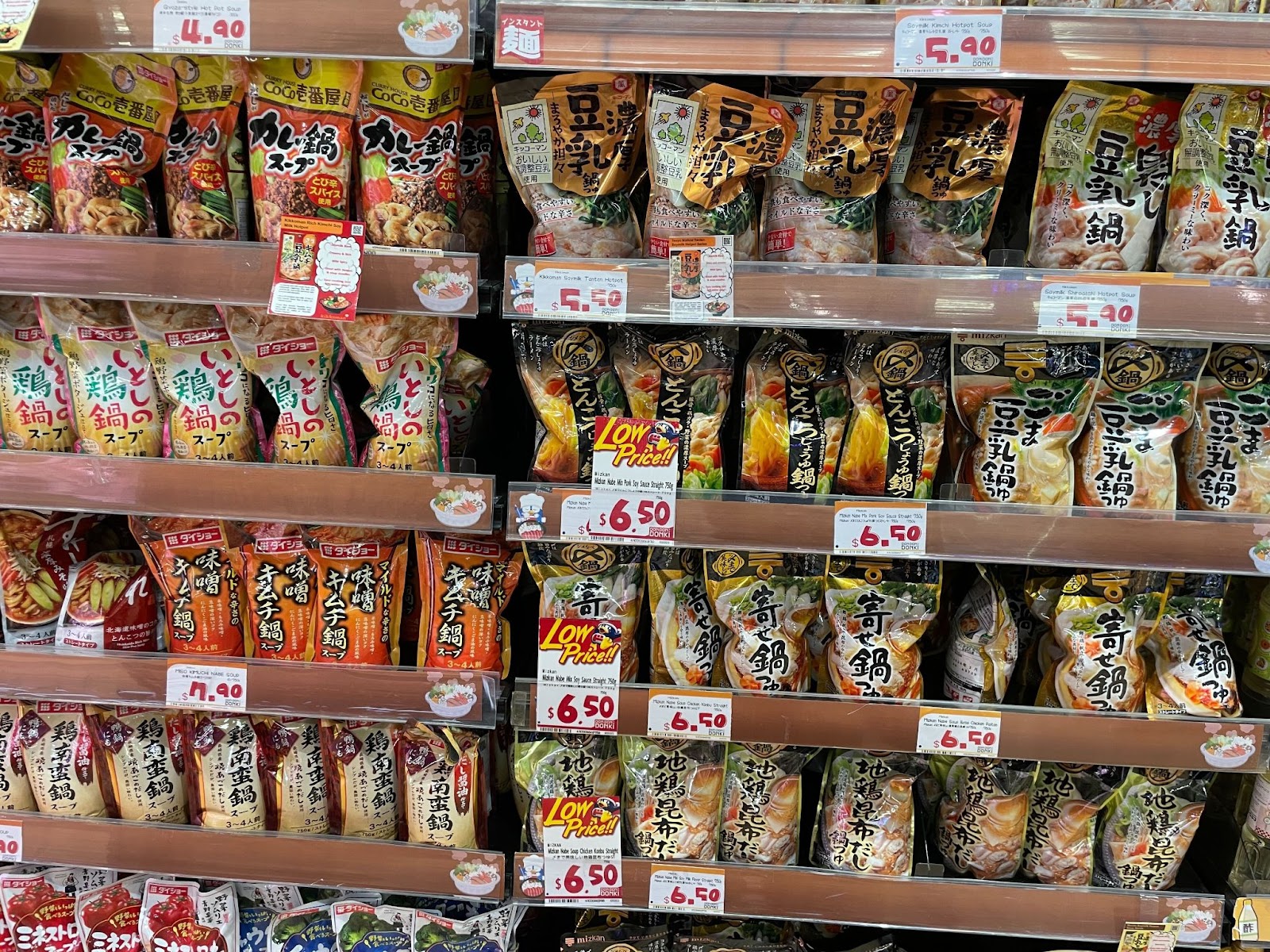
For item 1, they also had a space where customers could drink alcohol, including DON DON DONKI’s original Donki Drink Drunk.
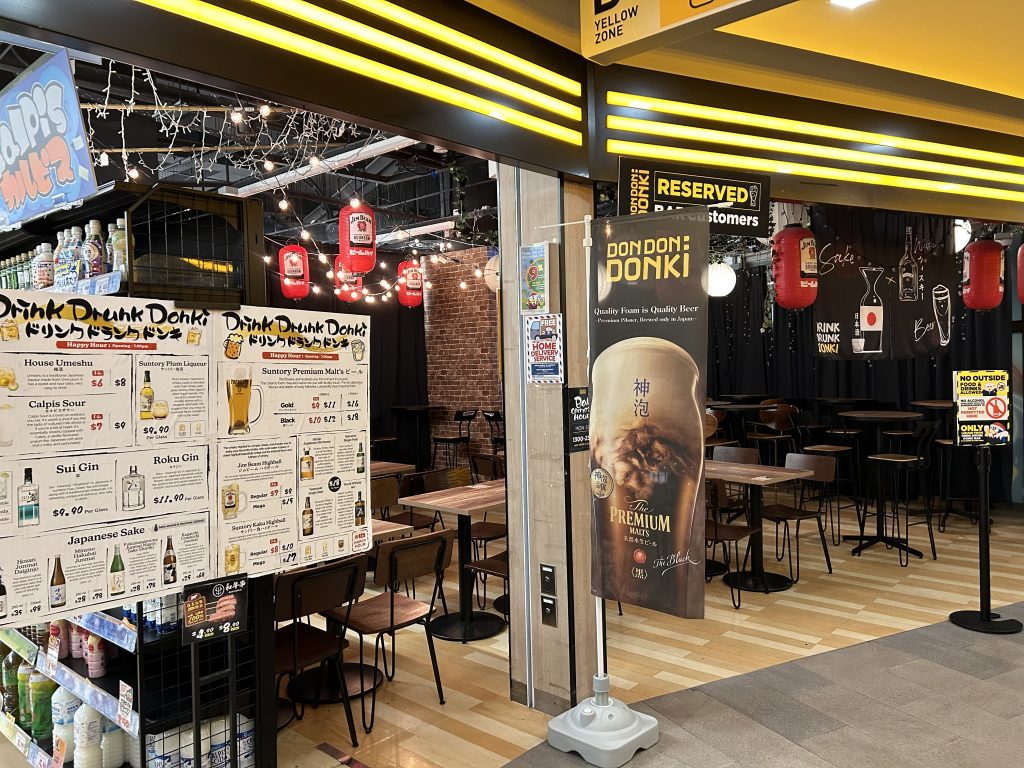
It is apparently common for locals to buy deli items and lunch boxes because they are “delicious,” and then eat them at the office. Singapore also gives the impression of having many beer displays, but at DON DON DONKI and the local supermarket FairPrice, wine shelves were placed in prominent locations, suggesting consumer trends toward alcoholic beverages other than beer.
<FairPrice>
Singapore’s largest supermarket chain and a low-price supermarket for the general public. Although it is a supermarket for the general public, it operates many stores with different concepts depending on the customer segment and location.
Fair Price: Handles fresh foods, frozen foods, snacks, beverages, daily necessities, beauty products, and more.
FairPrice Finest: Offers a wide range of higher-end foods such as meat, wine, and imported cheese.
FairPrice Xtra: A large-format store that carries household appliances and clothing in addition to regular groceries.
In this report, we introduce FairPrice Finest, which we actually visited.
As mentioned above, FairPrice Finest carries more premium products than a regular FairPrice store.
The store is spacious, with a rich assortment ranging from fresh foods to alcohol and frozen foods. FairPrice also carries many private-label products, so there are likely many things to learn from its merchandising methods. We also noticed many displays aimed at encouraging cross-buying, which are commonly seen in Japan as well.
Although many Japanese companies and brands were present in Singapore, we felt that the products were generally not localized and that the stores were designed to be as easy to browse and pick up items as possible.
Cashless payments are standard in every store, but we did not feel that digitalization or tech usage in stores was especially more advanced than in Japan; in some cases, Japan even seemed ahead.
Recap Session for Day 1 and Day 2
On the afternoon of the third day of the event, we invited Mr. Jun Iba, President and CEO of IBA Company, Inc., who is also one of our advisors, and held an invitation-only lunch session in a suite room at Marina Bay Sands. We picked several topics from the official sessions on Day 1 and Day 2 and held a discussion incorporating Mr. Iba’s insights. By exchanging opinions and outputting ideas while the keynote was still fresh in everyone’s memory, it became a highly meaningful time that deepened the insights gained from the keynotes even further.
Summary
Lazuli’s first overseas exhibition brought many learnings, including points for improvement.
Because there are many differences from Japan in areas such as product handling and store expansion that are unique to each country, store visits overseas can offer many references for retailers and manufacturers alike.
On June 24, 2024, we will hold a briefing session explaining future data utilization strategies in retail, based on overseas companies’ data utilization examples from NRF APAC, including Shoptalk held in Europe in early June.
Please apply using the URL below.
https://shoptalk-europe-nrf-apac-recap-2024.peatix.com/