Products
AI Applications

Give Product Data the Power of Thought.
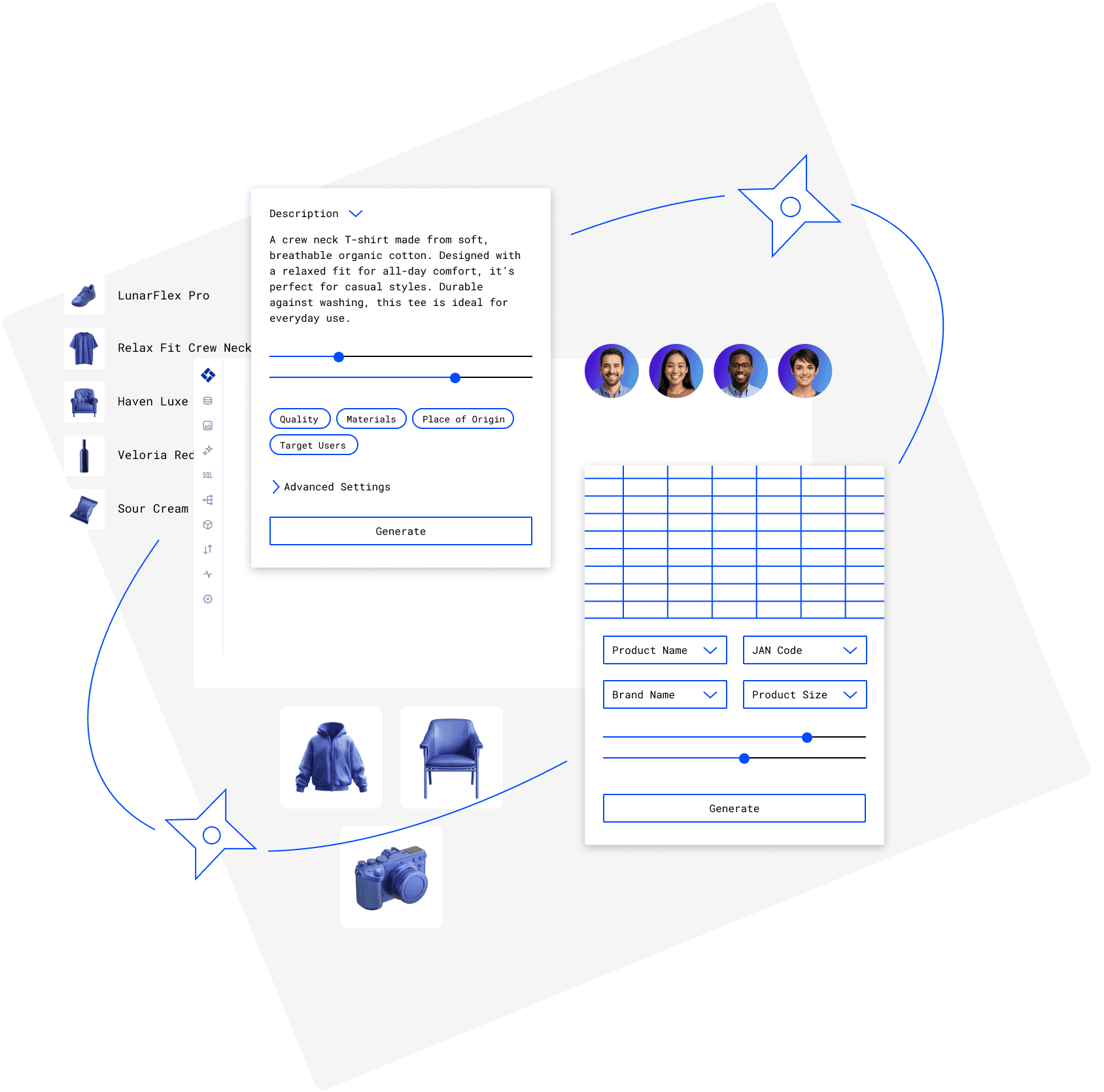
Lazuli's AI automatically analyzes and converts text, images, and unstructured data into data that can be immediately used in PIM, DAM, and external operations.
Products
AI Applications
Give Product Data the Power of Thought.
Lazuli's AI automatically analyzes and converts text, images, and unstructured data into data that can be immediately used in PIM, DAM, and external operations.
Products
AI Applications
Give Product Data the Power of Thought.
Lazuli's AI automatically analyzes and converts text, images, and unstructured data into data that can be immediately used in PIM, DAM, and external operations.



AI Tools That Turn PIM and DAM into Strategic Assets
AI applications go beyond simple storage systems—they give data meaning and purpose. Lazuli’s AI interprets product information stored in PIM or DAM, transforming it into actionable knowledge through tagging, classification, and content generation. From marketing and analytics to product development and sales enablement, every business process moves faster with Lazuli AI.
Data Generation
Reconstruct the Way it's Communicated,into Product Information that Maximizes value.
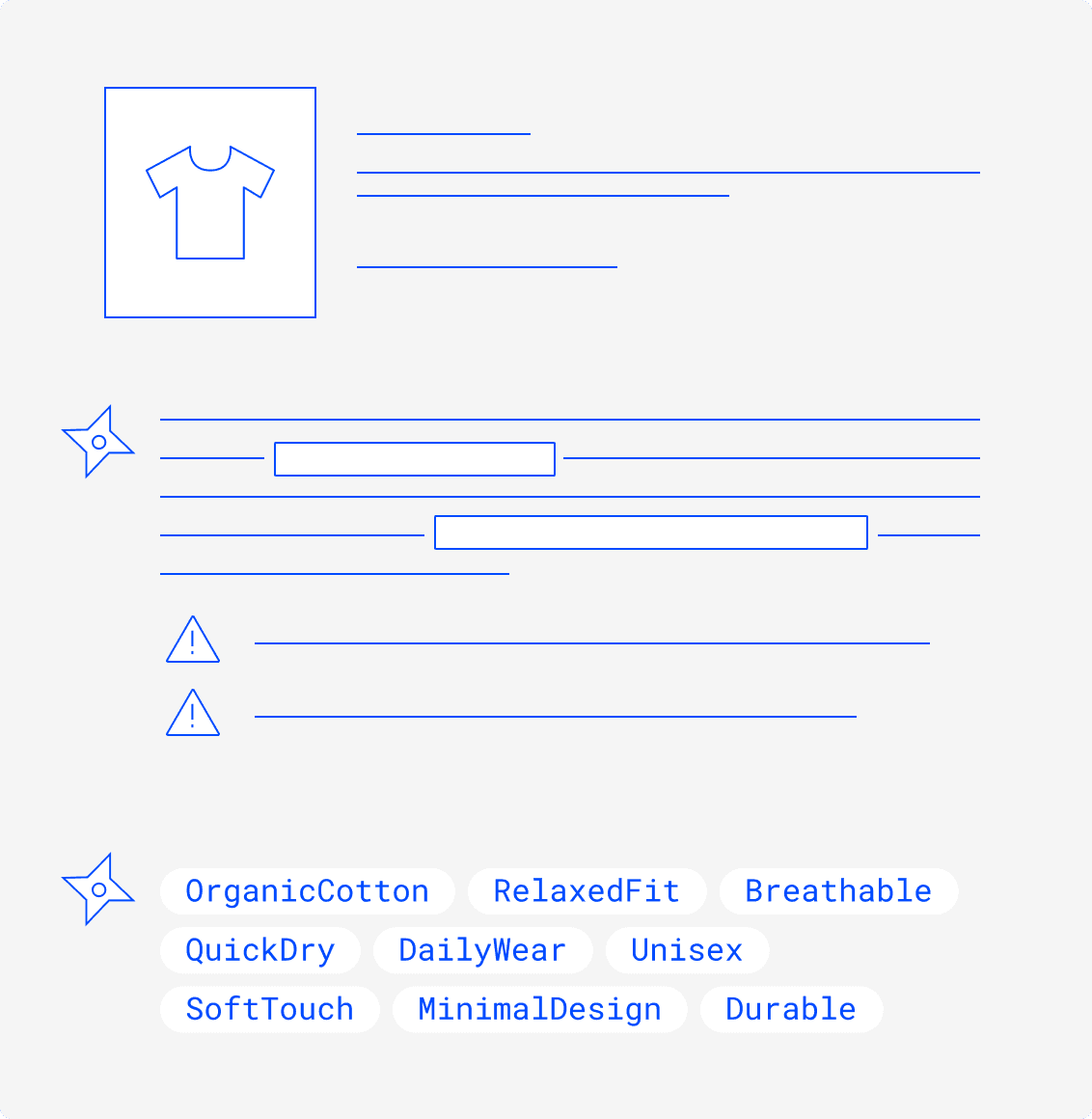
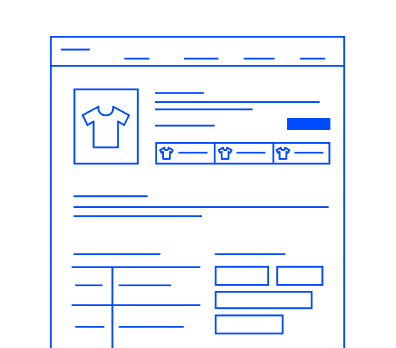
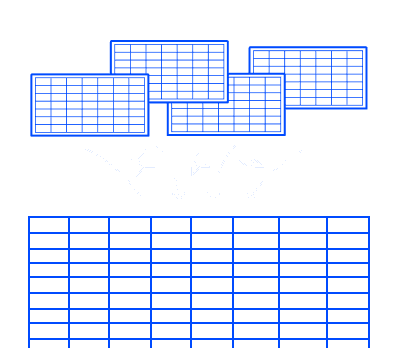
AI automatically collects product information published on the internet from multiple sources. Data in different formats such as Excel, PDF, and HTML is normalized to a common schema and converted into centrally managed structured data. This automates competitive research and information gathering tasks that previously required manual effort and time.
Data Generation
Reconstruct the Way it's Communicated,into Product Information that Maximizes value.
AI automatically collects product information published on the internet from multiple sources. Data in different formats such as Excel, PDF, and HTML is normalized to a common schema and converted into centrally managed structured data. This automates competitive research and information gathering tasks that previously required manual effort and time.
Data Generation
Reconstruct the Way it's Communicated,into Product Information that Maximizes value.
AI automatically collects product information published on the internet from multiple sources. Data in different formats such as Excel, PDF, and HTML is normalized to a common schema and converted into centrally managed structured data. This automates competitive research and information gathering tasks that previously required manual effort and time.
Data Enrichment
Incomplete Information,Turned into "Usable Data".
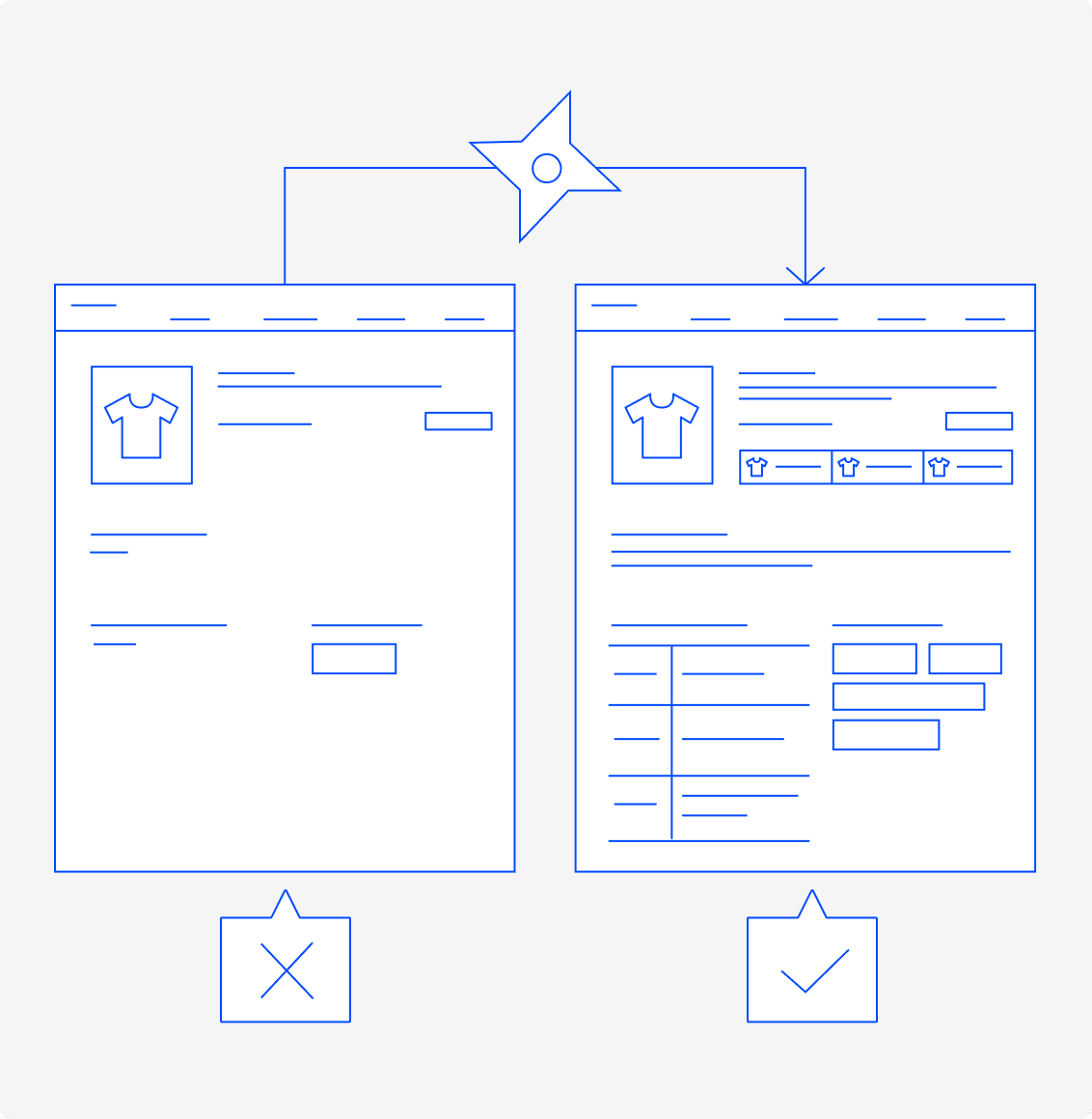
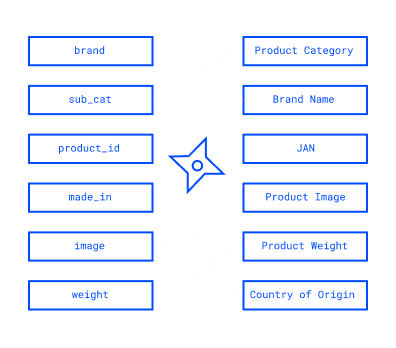
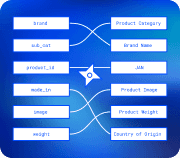
AI automatically collects product information published on the internet from various sources in the market. In addition to data in different formats such as Excel, PDF, and HTML, it can also ingest information from standard specifications like GS1 and complex external services. AI normalizes it to a common schema and further assigns attributes from Lazuli DB, converting it into centrally managed structured data. This automates competitive research and information gathering, which previously required a vast amount of manual work, and allows immediate utilization of valuable product data.
Data Enrichment
Incomplete Information,Turned into "Usable Data".
AI automatically collects product information published on the internet from various sources in the market. In addition to data in different formats such as Excel, PDF, and HTML, it can also ingest information from standard specifications like GS1 and complex external services. AI normalizes it to a common schema and further assigns attributes from Lazuli DB, converting it into centrally managed structured data. This automates competitive research and information gathering, which previously required a vast amount of manual work, and allows immediate utilization of valuable product data.
Data Enrichment
Incomplete Information,Turned into "Usable Data".
AI automatically collects product information published on the internet from various sources in the market. In addition to data in different formats such as Excel, PDF, and HTML, it can also ingest information from standard specifications like GS1 and complex external services. AI normalizes it to a common schema and further assigns attributes from Lazuli DB, converting it into centrally managed structured data. This automates competitive research and information gathering, which previously required a vast amount of manual work, and allows immediate utilization of valuable product data.
Data Estimation
Derive Clear "Classifications" From Ambiguous Expressions.
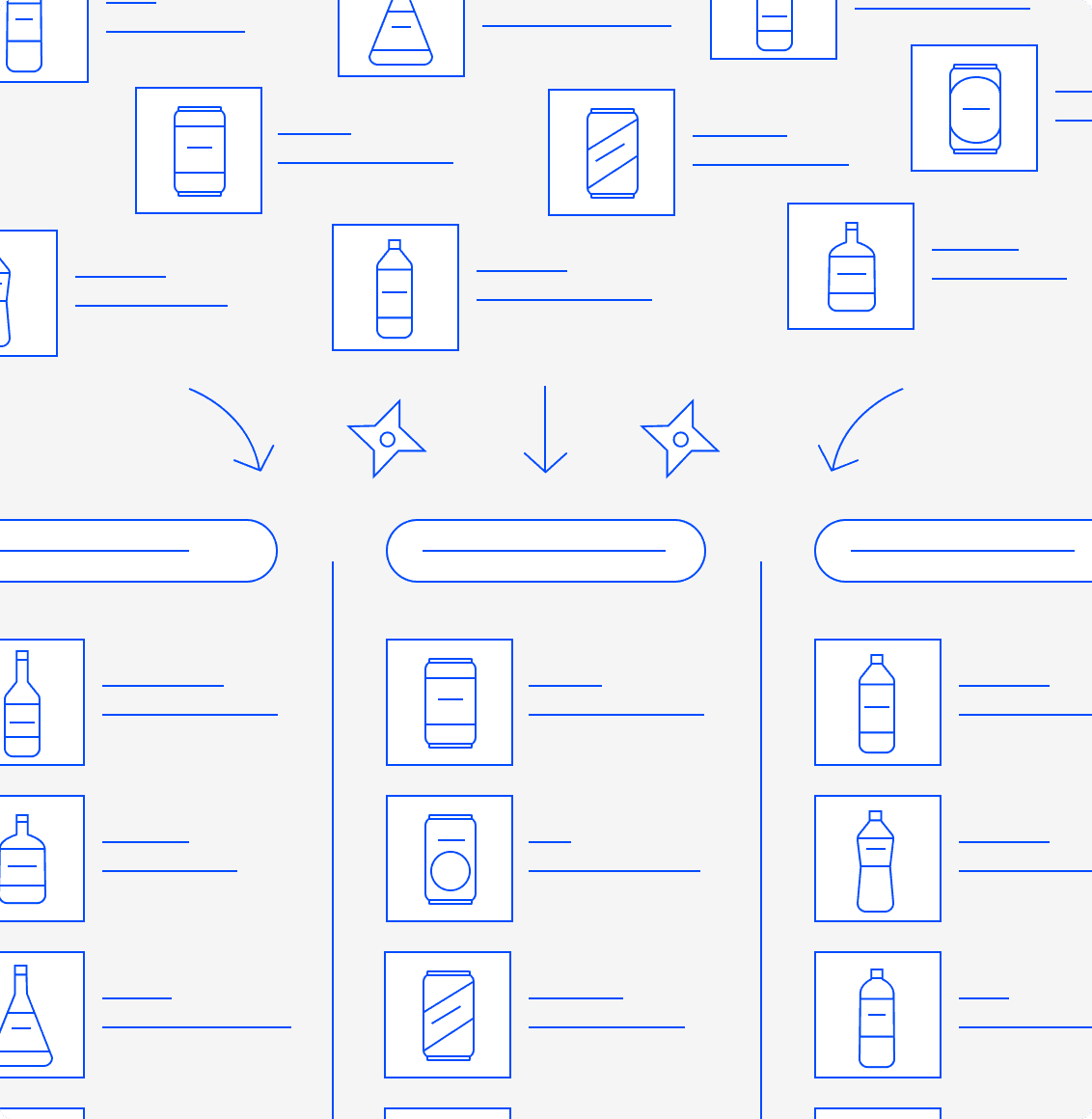
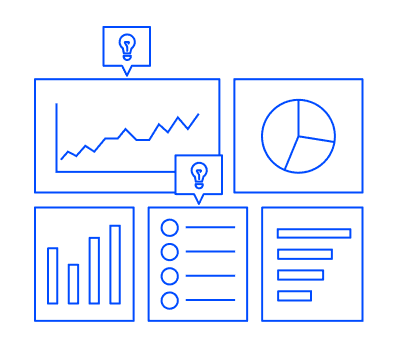
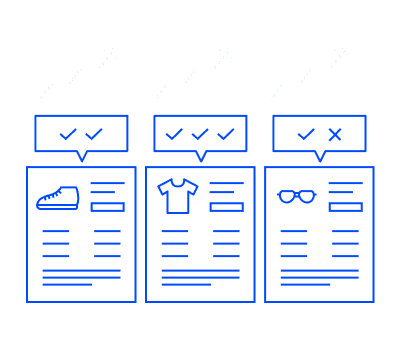
AI automatically estimates and structures information embedded in product images and descriptions (such as category, color, material). It also complements variations in product names and missing tags, redefining them as structured data. This builds a foundation that can be utilized for more advanced data applications like segment analysis and recommendations.
Data Estimation
Derive Clear "Classifications" From Ambiguous Expressions.
AI automatically estimates and structures information embedded in product images and descriptions (such as category, color, material). It also complements variations in product names and missing tags, redefining them as structured data. This builds a foundation that can be utilized for more advanced data applications like segment analysis and recommendations.
Data Estimation
Derive Clear "Classifications" From Ambiguous Expressions.
AI automatically estimates and structures information embedded in product images and descriptions (such as category, color, material). It also complements variations in product names and missing tags, redefining them as structured data. This builds a foundation that can be utilized for more advanced data applications like segment analysis and recommendations.


Please Feel Free to Ask Any Questions or Consult with Us.
Have challenges managing your product data? We’re here to help you unlock its full potential.

Please Feel Free to Ask Any Questions or Consult with Us.
Have challenges managing your product data? We’re here to help you unlock its full potential.
Please Feel Free to Ask Any Questions or Consult with Us.
Have challenges managing your product data? We’re here to help you unlock its full potential.
FAQ
What is Lazuli's AI application?
The Lazuli AI application automates the processing of product data through unique AI technologies for "generation, estimation, expansion, and collection". It analyzes data accumulated in PIM and DAM, performs tasks such as tagging, generating descriptions, and estimating trends, transforming it into data assets that can be directly utilized in business operations.
What is Lazuli's AI application?
The Lazuli AI application automates the processing of product data through unique AI technologies for "generation, estimation, expansion, and collection". It analyzes data accumulated in PIM and DAM, performs tasks such as tagging, generating descriptions, and estimating trends, transforming it into data assets that can be directly utilized in business operations.
What is Lazuli's AI application?
The Lazuli AI application automates the processing of product data through unique AI technologies for "generation, estimation, expansion, and collection". It analyzes data accumulated in PIM and DAM, performs tasks such as tagging, generating descriptions, and estimating trends, transforming it into data assets that can be directly utilized in business operations.
Is the automatic generation of product descriptions and tags accurate?
Content generated by AI is provided at an immediately usable level, but we have implemented a mechanism that incorporates human approval and verification processes. This minimizes the risk of misinformation unique to AI (hallucinations) and ensures accurate and reliable data.
Is the automatic generation of product descriptions and tags accurate?
Content generated by AI is provided at an immediately usable level, but we have implemented a mechanism that incorporates human approval and verification processes. This minimizes the risk of misinformation unique to AI (hallucinations) and ensures accurate and reliable data.
Is the automatic generation of product descriptions and tags accurate?
Content generated by AI is provided at an immediately usable level, but we have implemented a mechanism that incorporates human approval and verification processes. This minimizes the risk of misinformation unique to AI (hallucinations) and ensures accurate and reliable data.
How do you prevent hallucinations?
At Lazuli, we prevent erroneous generation through the following mechanisms: ・Consistency checks by cross-referencing with existing product data and the Lazuli DB ・Attribute completion by referencing standard specification data (e.g., GS1) ・Incorporating a final human review into the workflow to prevent the dissemination of incorrect information.
How do you prevent hallucinations?
At Lazuli, we prevent erroneous generation through the following mechanisms: ・Consistency checks by cross-referencing with existing product data and the Lazuli DB ・Attribute completion by referencing standard specification data (e.g., GS1) ・Incorporating a final human review into the workflow to prevent the dissemination of incorrect information.
How do you prevent hallucinations?
At Lazuli, we prevent erroneous generation through the following mechanisms: ・Consistency checks by cross-referencing with existing product data and the Lazuli DB ・Attribute completion by referencing standard specification data (e.g., GS1) ・Incorporating a final human review into the workflow to prevent the dissemination of incorrect information.
What kind of business operations can AI applications be utilized for?
We will streamline the data preparation tasks that have been performed manually, not only for product data generation and tagging but also for competitive research, review analysis, ID-POS analysis, automated creation of sales support materials, and a wide range of operations including marketing, product development, sales, and analysis.
What kind of business operations can AI applications be utilized for?
We will streamline the data preparation tasks that have been performed manually, not only for product data generation and tagging but also for competitive research, review analysis, ID-POS analysis, automated creation of sales support materials, and a wide range of operations including marketing, product development, sales, and analysis.
What kind of business operations can AI applications be utilized for?
We will streamline the data preparation tasks that have been performed manually, not only for product data generation and tagging but also for competitive research, review analysis, ID-POS analysis, automated creation of sales support materials, and a wide range of operations including marketing, product development, sales, and analysis.
What kind of results can be expected after implementation?
The manual collection, organization, and generation of product information, which required a tremendous amount of time, has been automated, allowing for a reduction of up to 70% in labor costs. Additionally, improvements in data accuracy lead to enhanced customer experiences and maximized sales opportunities.
What kind of results can be expected after implementation?
The manual collection, organization, and generation of product information, which required a tremendous amount of time, has been automated, allowing for a reduction of up to 70% in labor costs. Additionally, improvements in data accuracy lead to enhanced customer experiences and maximized sales opportunities.
What kind of results can be expected after implementation?
The manual collection, organization, and generation of product information, which required a tremendous amount of time, has been automated, allowing for a reduction of up to 70% in labor costs. Additionally, improvements in data accuracy lead to enhanced customer experiences and maximized sales opportunities.
The True Value of Lazuli PDP is Unlocked When Combined
The True Value of Lazuli PDP is Unlocked When Combined
By integrating each feature, we achieve a level of data utilization that cannot be reached through standalone use.


SOLUTIONS
Solve Your Business Challenges
with AI Solutions Specialized for Product Information
Solve Your Business Challenges with AI Solutions Specialized for Product Information






CASE STUDIES
Case Studies of Lazuli PDP
CASE STUDIES
Case Studies of Lazuli PDP
CASE STUDIES
Case Studies of Lazuli PDP

Waseda University, Graduate School of Political Science and Economics
Professor Ueda of Waseda University tackles the evolution of price index research ─ Visualizing the reality of consumption through Lazuli's "Dining Out AI Research".
Jul 9, 2025
Beisia Co., Ltd.
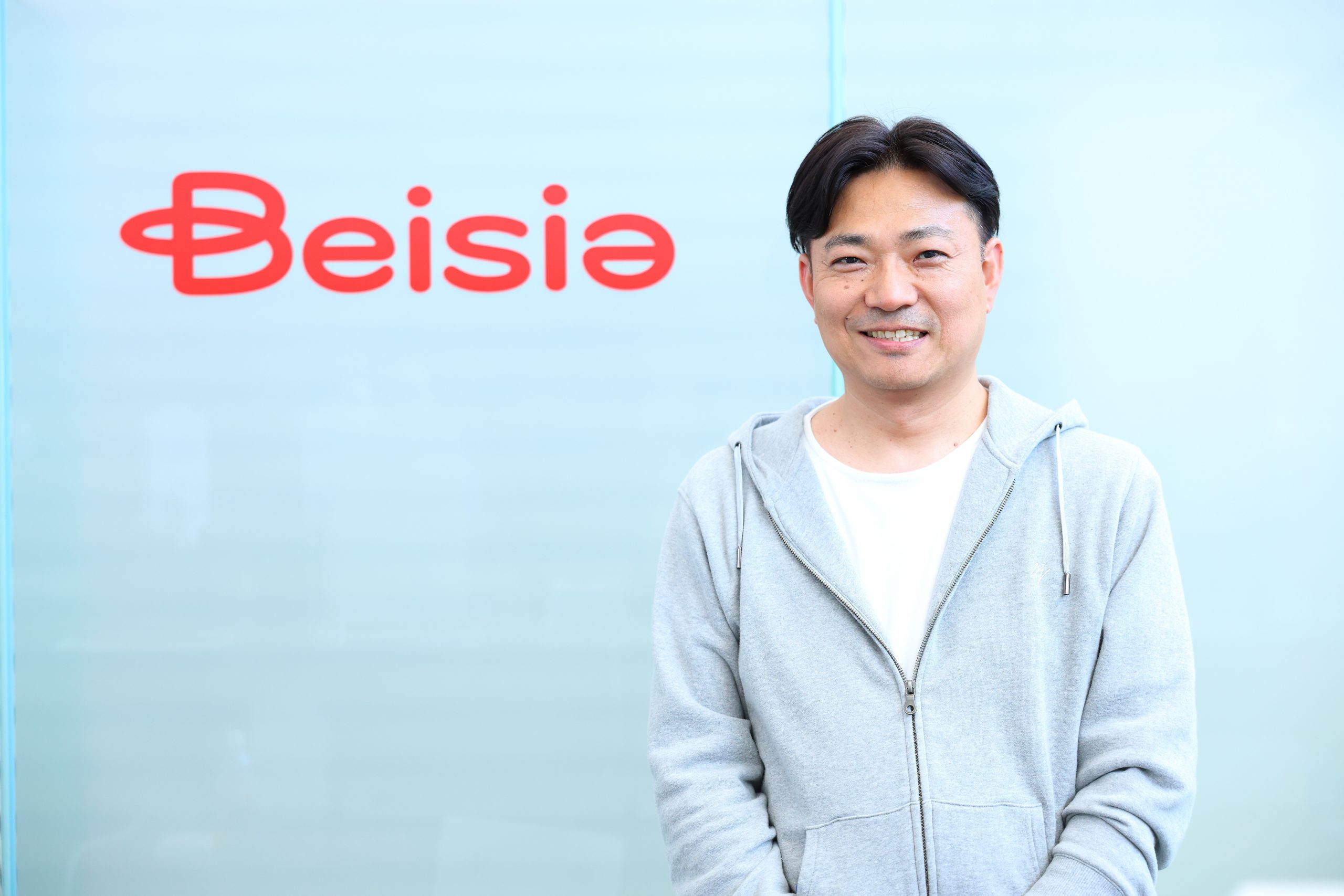
A rich product master that supported the Rakuten Shop of the Year award. Lazuli PDP is used for SKU expansion, SEO enhancement, and customer data analysis.
Jun 5, 2025

Asahi Soft Drinks Co., Ltd.
A rich product master that supported the Rakuten Shop of the Year award. Lazuli PDP is used for SKU expansion, SEO enhancement, and customer data analysis.
Apr 11, 2024

Asahi Breweries, Ltd.
What is Asahi Beer's "creation of a fun lifestyle culture with taste that exceeds expectations" which has led to advanced sales proposals by analyzing foodservice POS data in real-time?
Jan 18, 2024

Mega Sports Corp.
Mega Sports introduced Lazuli PDP, feeling the limitations of manual master management, and aims to double EC sales by reducing man-hours.
Apr 7, 2023
CASE STUDIES
Case Studies of Lazuli PDP
Waseda University, Graduate School of Political Science and Economics
Professor Ueda of Waseda University tackles the evolution of price index research ─ Visualizing the reality of consumption through Lazuli's "Dining Out AI Research".
Jul 9, 2025
Beisia Co., Ltd.
A rich product master that supported the Rakuten Shop of the Year award. Lazuli PDP is used for SKU expansion, SEO enhancement, and customer data analysis.
Jun 5, 2025
Asahi Soft Drinks Co., Ltd.
A rich product master that supported the Rakuten Shop of the Year award. Lazuli PDP is used for SKU expansion, SEO enhancement, and customer data analysis.
Apr 11, 2024
Asahi Breweries, Ltd.
What is Asahi Beer's "creation of a fun lifestyle culture with taste that exceeds expectations" which has led to advanced sales proposals by analyzing foodservice POS data in real-time?
Jan 18, 2024
Mega Sports Corp.
Mega Sports introduced Lazuli PDP, feeling the limitations of manual master management, and aims to double EC sales by reducing man-hours.
Apr 7, 2023
BLOG
Blog
BLOG
Blog
BLOG
Blog

“AI’s success or failure comes down to context” — The cutting edge of Agentic Commerce implementation seen in Las Vegas
Apr 24, 2026

“The experiment is over”—Google’s declaration amid thunderous cheers in Las Vegas, marking the dawn of the Agentic Era
Apr 23, 2026
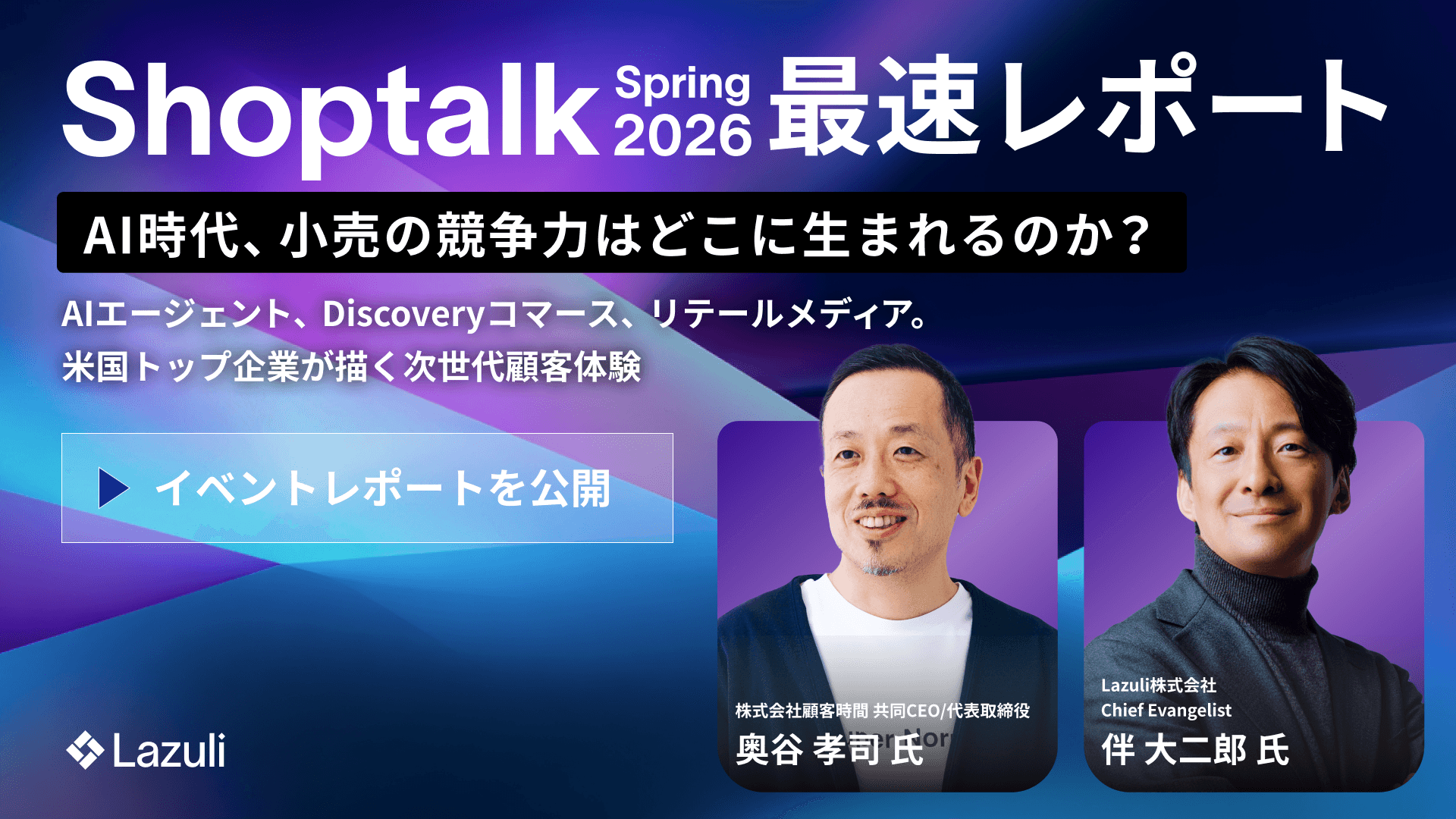
[Event Report] Shoptalk Spring 2026 First Report: In the AI Era, Where Will Retail’s Competitive Edge Come From?
Apr 22, 2026
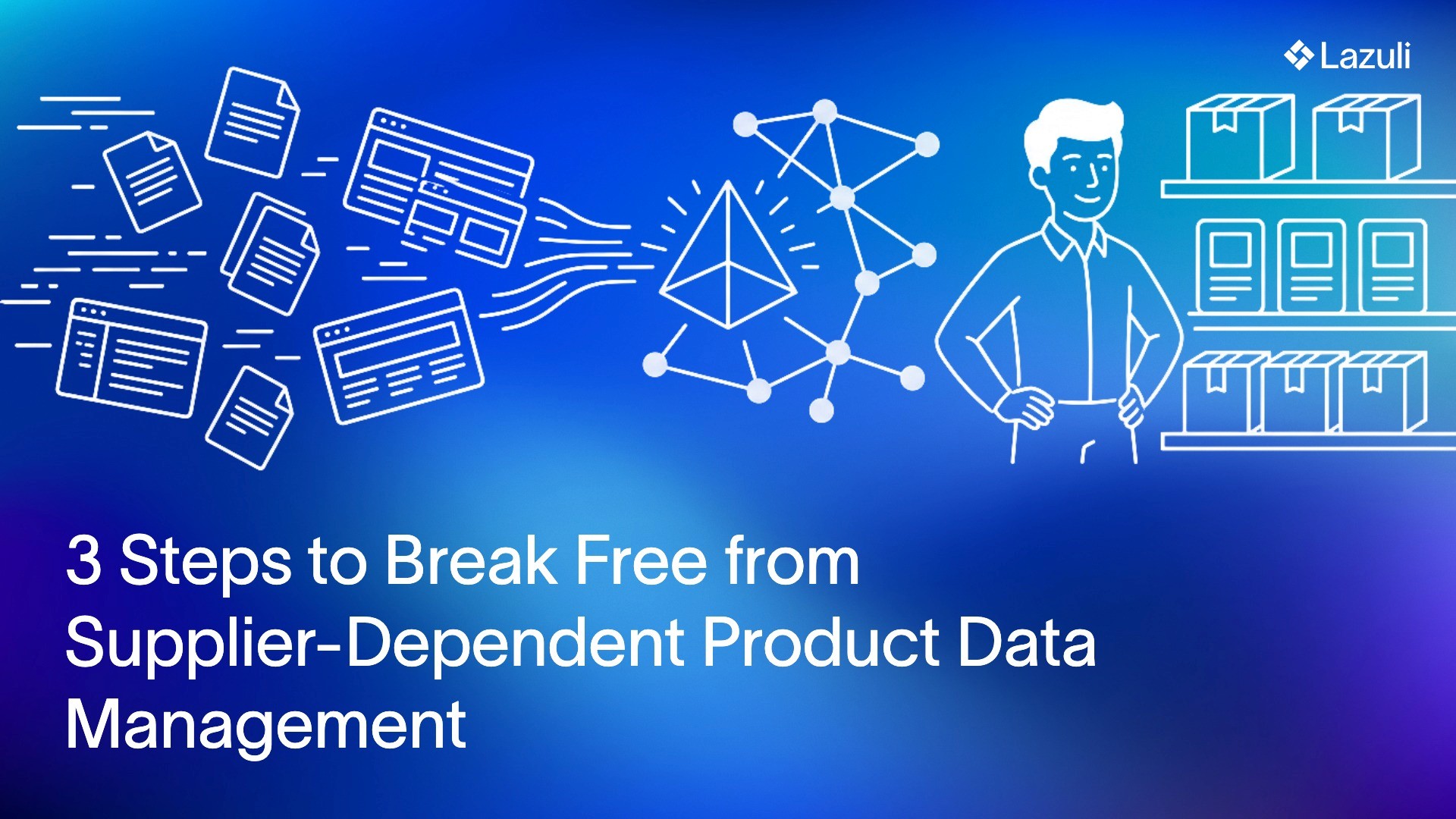
Three Steps to Move Away from Supplier-Dependent Product Information Management
Apr 17, 2026
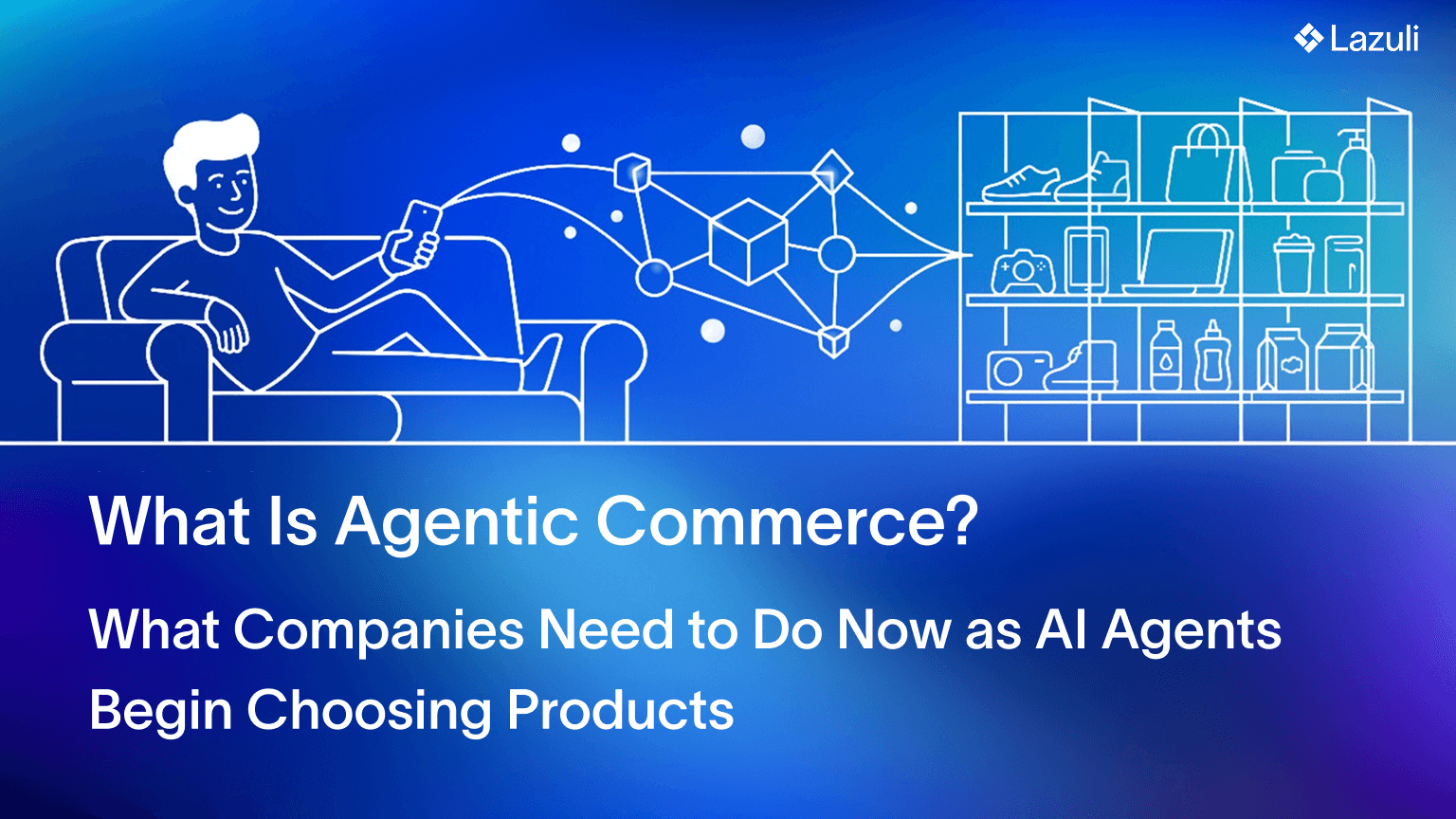
What Is Agentic Commerce? How Businesses Should Prepare Now for the Era of AI Agents That "Choose Products"
Apr 16, 2026
BLOG
Blog
“AI’s success or failure comes down to context” — The cutting edge of Agentic Commerce implementation seen in Las Vegas
Apr 24, 2026
“The experiment is over”—Google’s declaration amid thunderous cheers in Las Vegas, marking the dawn of the Agentic Era
Apr 23, 2026
[Event Report] Shoptalk Spring 2026 First Report: In the AI Era, Where Will Retail’s Competitive Edge Come From?
Apr 22, 2026
Three Steps to Move Away from Supplier-Dependent Product Information Management
Apr 17, 2026
What Is Agentic Commerce? How Businesses Should Prepare Now for the Era of AI Agents That "Choose Products"
Apr 16, 2026
Please Feel Free to Ask Any Questions or Consult with Us.
Have challenges managing your product data? We’re here to help you unlock its full potential.
Products
Solutions
Case Studies
Company Information
Recruitment
News
Please Feel Free to Ask Any Questions or Consult with Us.
Have challenges managing your product data? We’re here to help you unlock its full potential.
Products
Case Studies
Company Information
Recruitment
News
Please Feel Free to Ask Any Questions or Consult with Us.
Have challenges managing your product data? We’re here to help you unlock its full potential.
Products
Case Studies
Company Information
Recruitment
News